


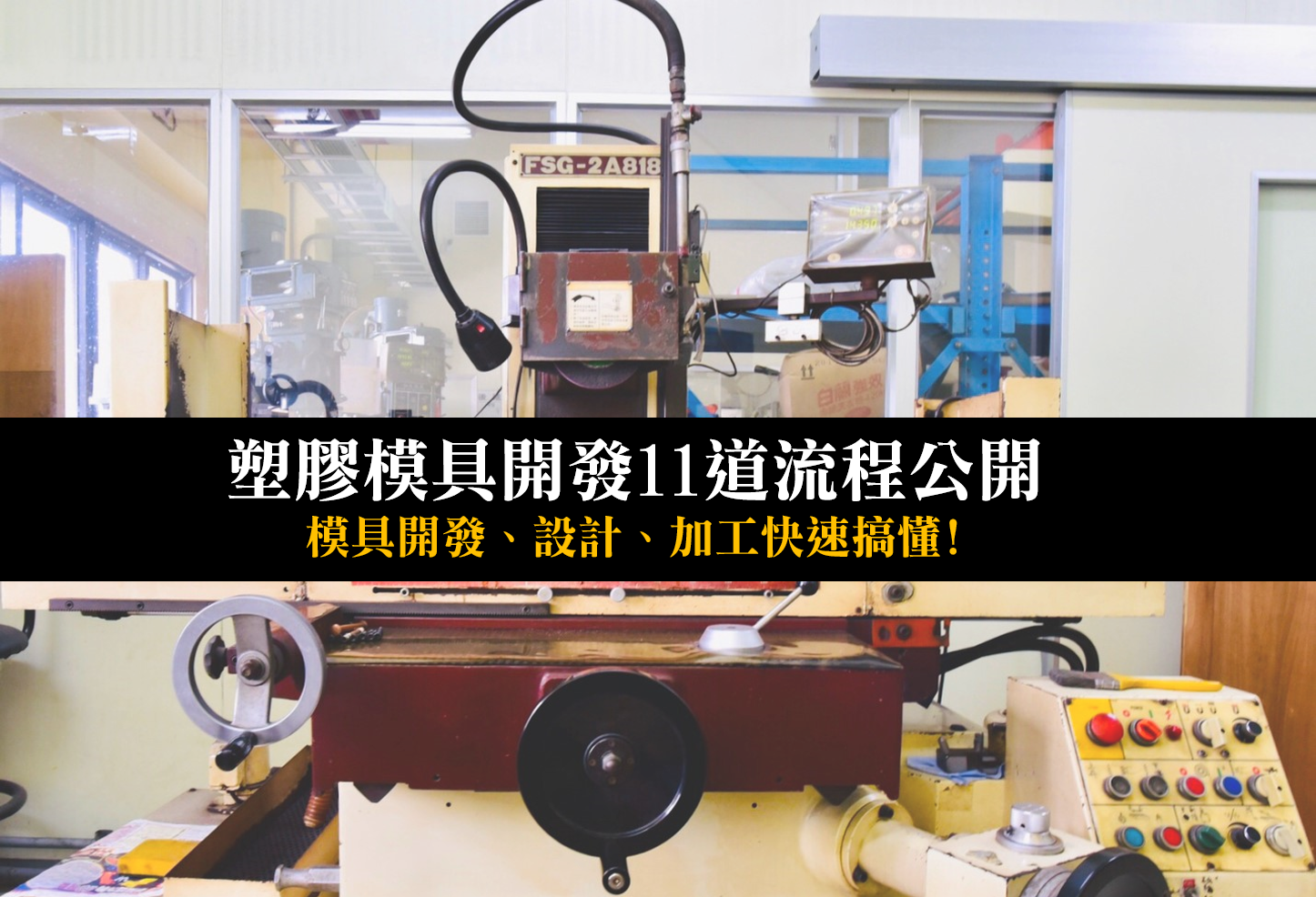
The plastic mold development process does not end when the mold is machined. It starts with product drawings and functional requirements, then continues through mold design, machining, assembly, trial molding, dimensional and functional inspection, and confirmation that the part is ready for mass production. This guide explains 11 steps and what to confirm at each stage when choosing a plastic mold manufacturer.
The key point: mold development must connect to trial molding and acceptance
A reliable plastic mold development project connects product requirements, mold design, injection molding trials, and finished-part inspection. If the product application, function, assembly method, and critical dimensions are not confirmed early, you may only discover after the mold is completed that the part cannot be used as intended.
| Development stage | What to confirm first |
|---|---|
| Drawings and requirements | Product application, material, appearance, dimensions, function, and mating parts |
| Mold design | Draft, undercuts, parting line, gates, runners, ejection, and mold material |
| Machining and assembly | Part machining, assembly fit, and mold-closing condition |
| Trial molding and inspection | T1/T2 samples, appearance, dimensions, function, and modification direction |
| Acceptance and production | Inspection results, production conditions, mold storage, and maintenance responsibility |
11 steps in the plastic mold development process
1. Provide product samples or 3D and 2D drawings
Mold development usually starts with a product sample or design drawings. When providing 3D or 2D files, also explain the product application, intended material, appearance requirements, critical dimensions, and expected production quantity. This gives the mold manufacturer the information needed to evaluate the design and the next steps.
2. Confirm product function, assembly, and inspection requirements
Before building the mold, clarify the product application, assembly method, mating parts, critical dimensions, appearance surfaces, material, and acceptance method. The goal is to make the mold design and injection conditions match the product from the beginning, instead of discovering after mold completion that the inspection criteria were never aligned.
- Is the part an appearance component, structural component, or functional component?
- Does it require clips, sealing, assembly, or fit with another part?
- Which dimensions are critical, and how will the finished part be inspected?
Contact WayKai to discuss your product requirements
3. Discuss the mold development plan and quotation scope
After the requirements are clear, the mold manufacturer can provide a mold quotation and a plastic-part quotation. Do not compare only the total mold price. Confirm the scope for trial molding, material, inspection, modifications, mold maintenance, and the handoff to mass production.
4. Complete 3D mold design and process evaluation
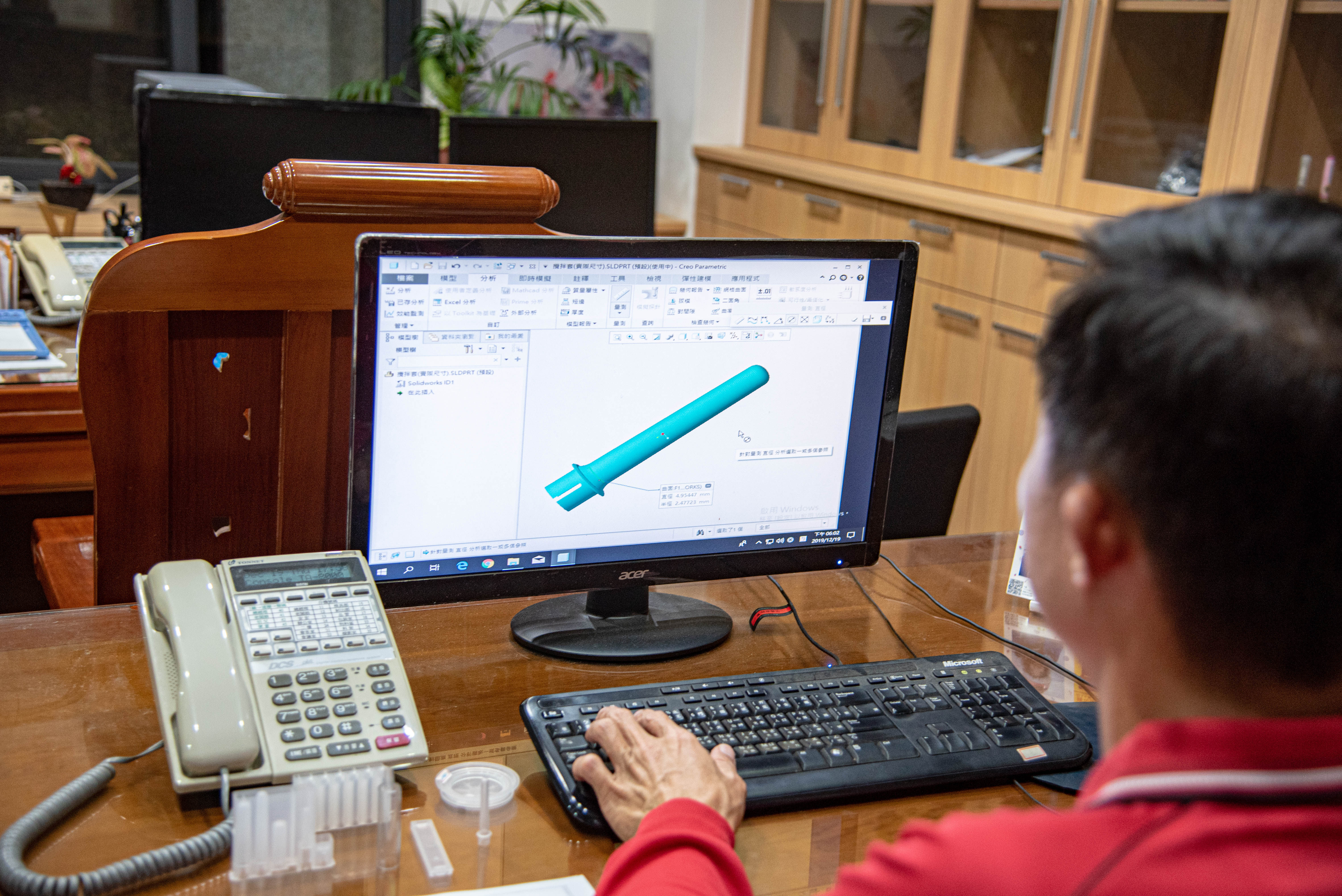
The product drawings must be converted into a mold design that can be machined and used for injection molding. This stage affects demolding, appearance, dimensions, and production stability. Typical review items include undercuts, draft angles, parting lines, gate location, cold or hot runners, and mold material.
5. Convert the 3D mold design into 2D machining drawings
After the 3D mold design is confirmed, it must be broken down into the 2D drawings required for machining the mold base, mold cores, and other components. Track drawing versions and revision records so the design version and machining version do not become inconsistent.
6. Schedule component machining and production activities
Once the mold components are detailed, the machining sequence and expected completion dates can be arranged. Product structure, mold size, cavity count, and component complexity all affect the actual schedule. Before opening the mold, confirm who will provide progress updates and how design changes will affect delivery.
7. Machine the mold base, cores, and components
Plastic mold machining may involve CNC milling, electrical discharge machining, turning, grinding, and drilling to complete the mold base and core components. Equipment is only part of the process; the finished dimensions, fit, and ability to assemble the components correctly also matter.
8. Assemble the mold and confirm mold fit
After the mold base and cores are machined, the mold must be assembled and its fit confirmed. Engineer’s blue or similar contact checking can help verify contact between the mold halves and the parting surfaces. If the fit is incomplete, flash or other molding problems may appear during injection molding.
9. Run T1 and T2 trial molding
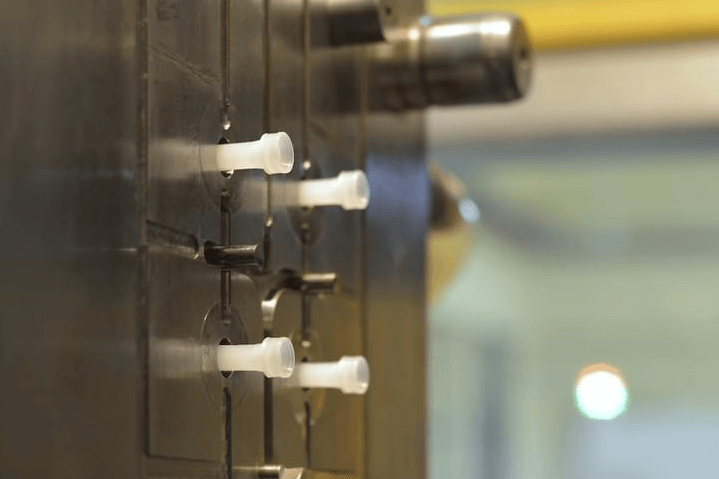
After assembly is confirmed, the mold enters trial molding on an injection molding machine. The first trial is commonly called T1; later trials may be called T2 and so on according to the modification and retest stages. Record the material, machine, molding conditions, sample condition, and abnormalities so the team can judge dimensions, appearance, function, and production conditions.
10. Inspect appearance, dimensions, and function
Finished-part inspection should follow the inspection checklist or product requirements agreed in advance. At minimum, confirm appearance, dimensions, and function. If the product requires assembly, clips, sealing, or another fit, define the inspection method at this stage as well.
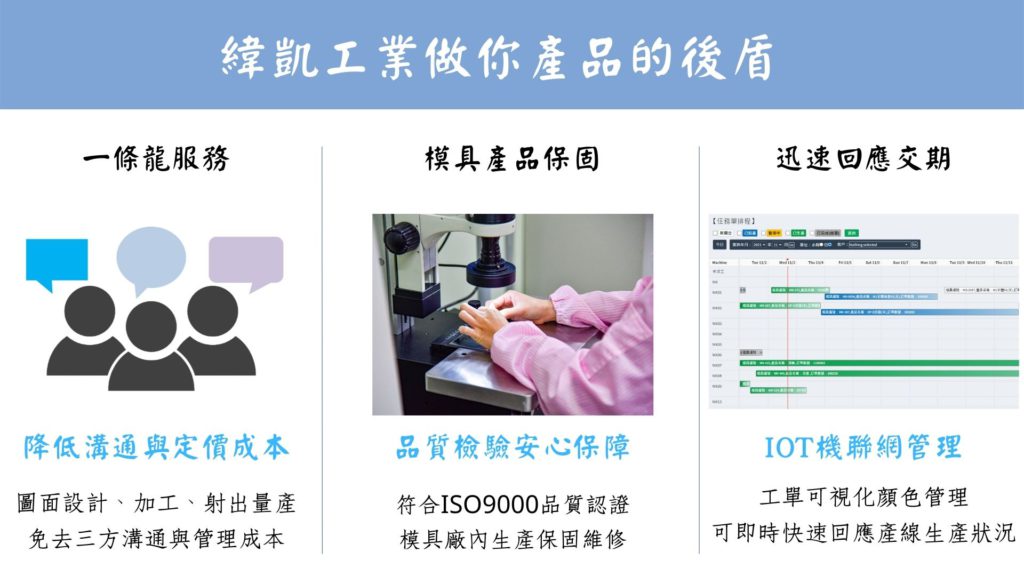
11. Modify, retest, and complete acceptance
If T1 samples do not meet the dimensional, appearance, or functional requirements, use the inspection results to determine the modification direction and run another trial after the correction. The project should move to acceptance and mass-production planning only after the product meets the standards agreed by both sides.
What information should you provide before mold development?
- Product 3D and 2D drawings or a physical sample
- Product application and functional requirements
- Assembly method and mating-part information
- Intended plastic material
- Appearance requirements and critical dimensions
- Expected production quantity or usage conditions
- Preferred inspection method and acceptance criteria
Separate mold maker and injection molder, or choose an integrated supplier?
Both cooperation models can work. The better choice depends on product complexity, whether your team can coordinate the project, and how demanding the product is in terms of dimensions, function, and production stability.
| Cooperation model | Suitable when | What to watch |
|---|---|---|
| Separate mold maker and injection molder | You have mature specifications and can manage mold, trials, and production yourself. | You must coordinate design, modifications, trial molding, quality, and responsibility boundaries. |
| Integrated mold-to-injection supplier | The product is still in development or mold, trials, and production need to be discussed together. | Still confirm actual equipment, inspection capability, quotation scope, and follow-up service. |
What plastic product development needs can WayKai support?
If you have product drawings but no mold, or already have a mold but are facing problems with dimensions, function, yield, delivery, or responsibility, you can start by discussing the product application, material, functional requirements, and expected quantity.
WayKai Industrial provides support from product-requirement discussion, mold design and manufacturing, injection molding trials, and quality confirmation through to mass-production handoff. The actual cooperation model is evaluated according to the drawings, material, function, and production requirements rather than applying one fixed solution to every product.

Start your plastic product project with WayKai
Share your product requirements or drawings, and a WayKai specialist can help clarify the next step. We can begin with either custom mold development or an injection molding mass-production requirement.
Phone: 04-7683 502
Address: No. 23, Ln. 426, Minsheng St., Xiushui Township, Changhua County, Taiwan
Email: [email protected]
Related reading:
- How to Choose a Plastic Injection Molding Supplier
- Plastic mold introduction and manufacturing guide (Chinese)
- Plastic injection molding process (Chinese)
Discuss your project with WayKai
Have product drawings but no mold yet? Send your project inquiry to WayKai and let us discuss the appropriate mold development and injection molding approach.