

Choosing a plastic injection molding supplier should not be based on unit price alone. The right supplier should connect your product drawings, mold development, trial molding, inspection, and mass production—and explain how problems will be handled when the parts do not meet expectations.
If you have product drawings but no mold yet, or you need a supplier that can take over both mold development and injection molding, this guide explains seven practical criteria to check before committing to a supplier.
A good plastic injection molding supplier does more than run machines
If you are developing a new product, the priority is not simply finding the lowest quotation. You need a partner that understands product function, supports mold development, and connects trial molding, quality confirmation, and production conditions.
This matters even more when the part must be assembled, sealed, fitted with another component, or meet a specific functional requirement. Mold design and injection molding should be evaluated together rather than treated as two unrelated jobs.
| Your situation | Capability to confirm first |
|---|---|
| You have product drawings but no mold. | Design-for-manufacturing review, mold design, material selection, and injection process integration. |
| You already have a mold and need a new injection molding supplier. | Mold condition, trial records, machine matching, and responsibility for troubleshooting. |
| The product requires assembly or functional confirmation. | Functional requirements, critical dimensions, inspection methods, and assembly conditions. |
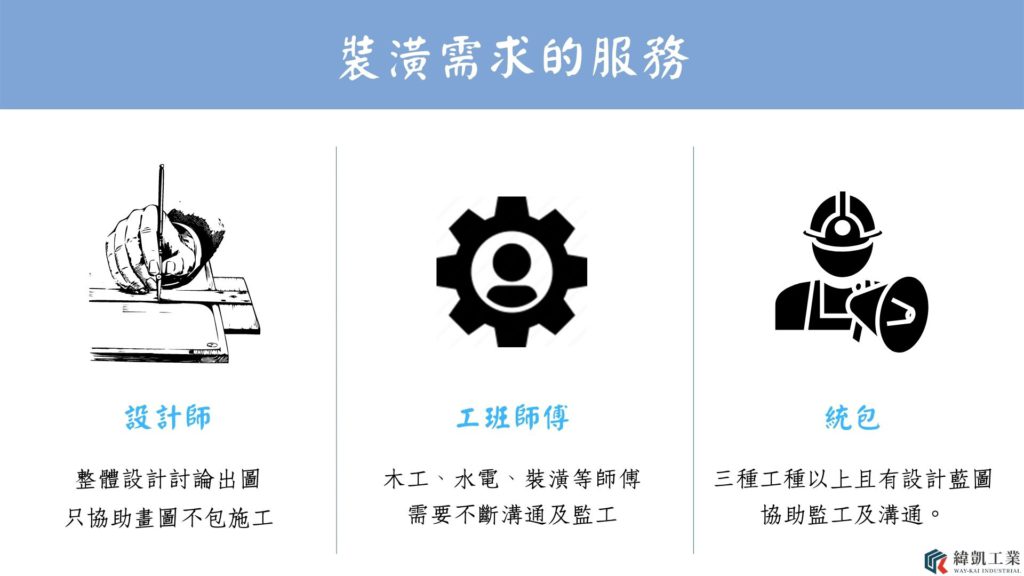
Choosing an integrated supplier is similar to choosing a general contractor for a renovation project. The value is not only in completing one task; it is in having someone connect design, construction, and on-site problems. Mold development and injection molding work the same way.
Practical case: eight cavities with inconsistent dimensions
WayKai once supported a customer who brought an existing mold because the assembled products had a high defect rate. After further inspection, the team found that the parts produced by the eight cavities in the same mold did not have consistent dimensions.
When parts must be assembled, a small dimensional difference can make the whole product unusable. The issue may look like an injection molding parameter problem, but the actual cause may involve the mold structure, cavity differences, material behavior, molding conditions, or the inspection method.
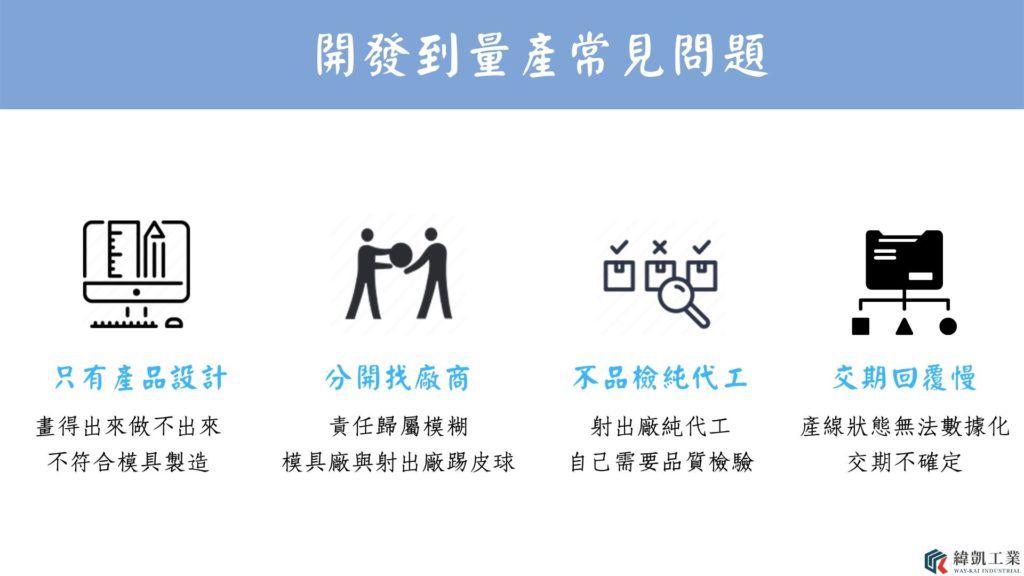
This case shows why supplier selection matters. If the mold maker and injection molder are separate and there is no clear integration window, the customer can end up watching both sides explain why the other side is responsible.
How to choose a plastic injection molding supplier: 7 criteria
1. Can the supplier understand product function and assembly requirements?
Do not send only 3D or 2D drawings and ask for a price. Explain whether the part is an appearance component, a structural component, or a functional part that must handle pressure, sealing, clips, assembly, or another requirement.
The same dimension can require different mold designs, materials, inspection methods, and production conditions depending on how the part will be used. Clarifying the function early reduces the risk of discovering after mold investment that the finished part cannot be used as intended.
2. Does the supplier provide design-for-manufacturing review and mold development?
A capable plastic injection molding supplier should not wait until the mold is finished to discover that the product design is difficult to mold. Before the mold is built, discuss wall thickness, draft angles, parting lines, gates, ejection, and possible warpage.
If a supplier only receives a mold and starts the machine, without reviewing the product and tooling process, later modifications can take more time and increase project cost.
3. Is there one clear integration window for the mold and injection process?
A common project failure looks like this: the mold maker says the mold is fine, while the injection molder says the molding conditions are the problem. The customer is then left to coordinate both sides.
Ask who coordinates mold design, toolmaking, trial molding, modifications, and mass production. One supplier does not automatically solve every problem, but one clear window can reduce information gaps and responsibility disputes.
4. Does the quotation explain the total scope instead of only the unit price?
When comparing plastic injection molding quotations, confirm whether mold cost, trial molding, material, scrap, inspection, packaging, secondary processing, mold maintenance, and future modifications are included.
A lower initial quotation does not necessarily mean a lower total project cost. Low yield after mold completion, unstable delivery, or unexpected charges during mass production can create a much higher cost later.
5. Can the supplier handle trial molding, inspection, and functional confirmation?
Trial molding is not only about whether a part can be formed. It should confirm dimensions, appearance, function, and whether the production conditions can be repeated consistently.
For a part with assembly, sealing, clips, or another functional requirement, confirm the inspection method before production. Ask what is measured, how records are kept, and how nonconforming parts are handled.
6. Can the supplier control production conditions and delivery?
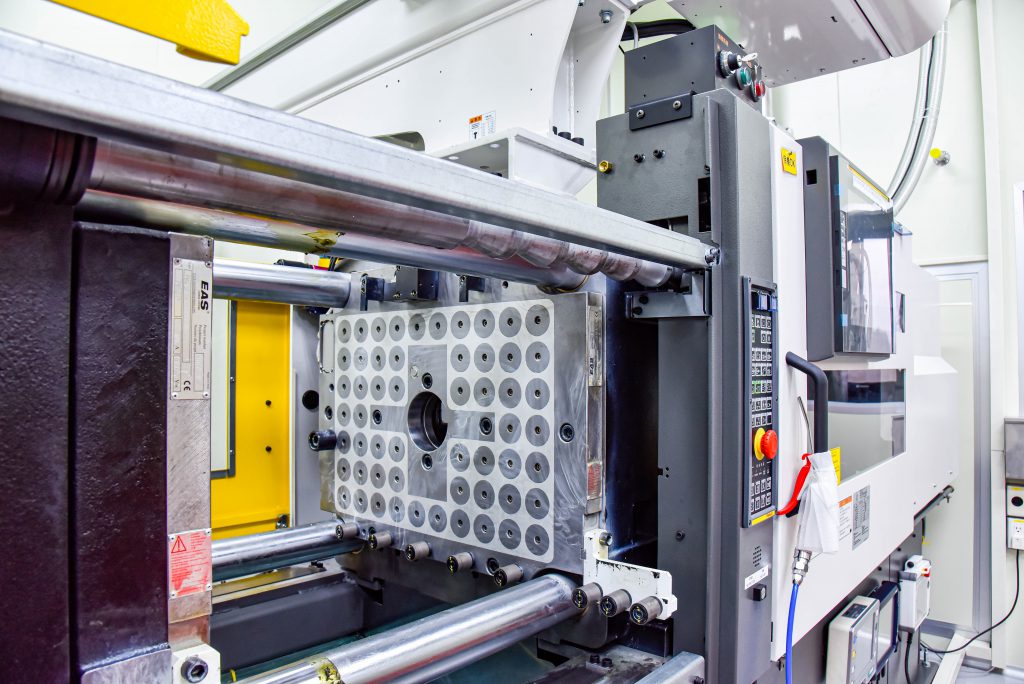
Injection molding does not end when a mold is installed on a machine. Material, machine size, molding parameters, cooling time, part removal, and inspection flow all affect cycle time, yield, and delivery.
Ask how trial conditions are recorded, how production progress is tracked, and who will respond when an abnormality occurs. Clear updates are part of production management, not just customer service.
7. Who will handle mold maintenance and product problems after mass production starts?
A mold may need maintenance, repairs, component replacement, or modifications when the product changes. Confirm who stores the mold, who maintains it, and what process will be used when a production problem occurs.
If every mold issue requires the customer to find a new person, production can be interrupted. Long-term support is therefore an important part of selecting a plastic injection molding supplier.
Separate mold maker and injection molder, or choose an integrated supplier?
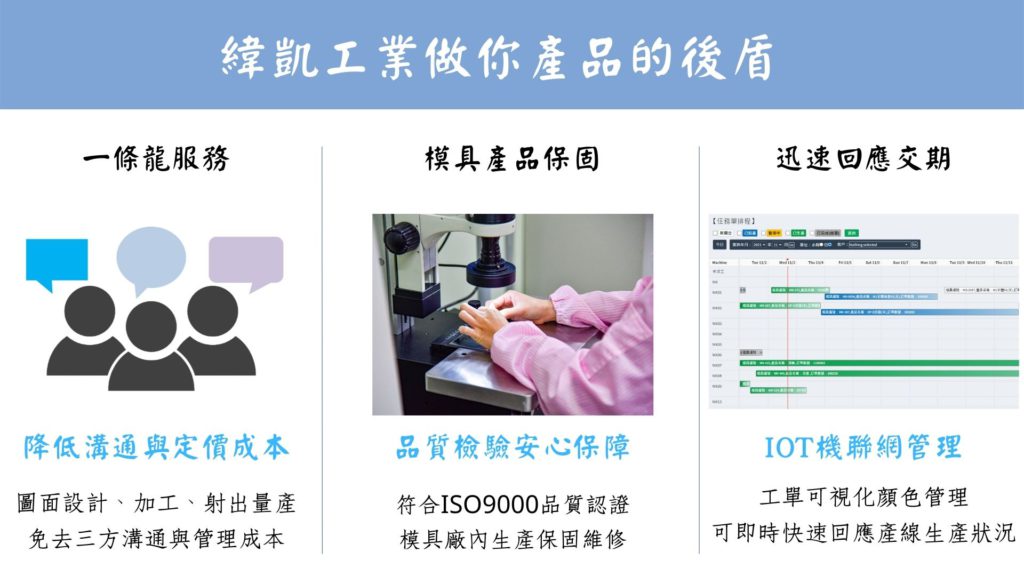
Both models can work. The better choice depends on product complexity, internal engineering resources, and project risk. The more a product depends on function, dimensional consistency, and ongoing production management, the more important it is to define a clear integration window.
| Cooperation model | Possible advantage | What to watch |
|---|---|---|
| Separate mold maker and injection molder | You can compare specialist capabilities and quotations separately. | You must integrate drawings, trials, modifications, delivery, and responsibility yourself. |
| Integrated mold-to-production supplier | Communication is more concentrated, so mold, trial molding, and production conditions can be discussed together. | Still confirm equipment, inspection capability, quotation scope, and responsibility boundaries. |
If you do not have an internal person managing mold and injection processes, or if the product has important functional requirements, a manufacturer that can connect mold development to mass production may reduce communication gaps. If you already have a mature mold and complete technical specifications, a separate injection molding supplier may also be suitable.
What projects are suitable for an initial discussion with WayKai?
You can start a discussion if you have product drawings but no mold, or if an existing mold has problems with yield, dimensions, assembly, delivery, or unclear responsibility.
WayKai Industrial can evaluate plastic mold development and injection molding according to the drawings, material, function, and production requirements. The right approach depends on the project; one fixed solution should not be applied to every part.
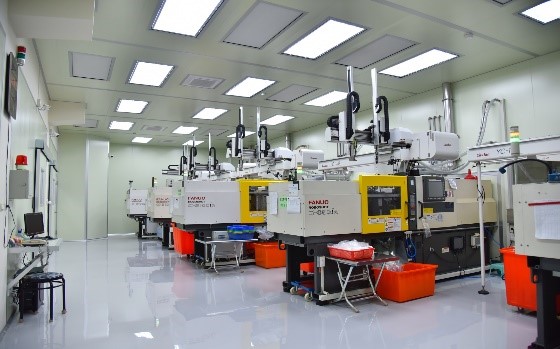
How to Start Your Plastic Product Project with WayKai
Click the message button or contact WayKai using the information below. You can begin with either mold development or an injection molding mass-production requirement. Share the product drawings, intended function, material, and expected quantity so the project can be evaluated more clearly.
- Phone: 04-7683 502
- Address: No. 23, Ln. 426, Minsheng St., Xiushui Township, Changhua County, Taiwan
- Email: [email protected]
Related article: What Is Plastic Injection Molding? The Process, Principles, and 9 Key Steps (Chinese)
View WayKai Industrial on Google Maps
Discuss Your Plastic Injection Molding Project with WayKai
Have a new product, an existing mold, or a mass-production requirement? Share your drawings and requirements so we can discuss the appropriate mold and injection molding approach.
Phone: 04-7683 502
Changhua County, Taiwan