



Plastic mold cost has no single fixed price. An injection mold quotation is affected by the product structure, cavity count, steel and expected mold life, machining difficulty, runner system, trial molding, and production requirements. To receive a quotation that can be compared fairly, prepare the product drawings, functional requirements, material, expected quantity, and delivery expectations first.
Key point: do not compare mold quotations by total price alone
Different quotations for the same product do not always mean that one supplier has a higher margin. The difference may reflect steel grade, machining method, expected mold life, trial-molding scope, inspection requirements, and responsibility for later maintenance. A useful comparison asks whether the quotation matches the product function and mass-production requirements.
| Cost factor | What to confirm in the quotation |
|---|---|
| Product structure and function | Assembly, sealing, clips, mating dimensions, appearance, and other functional requirements |
| Cavity count and expected quantity | Batch size, annual demand, and whether multi-cavity production is needed |
| Steel and mold life | Whether the material matches the plastic, product requirements, and expected production volume |
| Mold base, cores, and machining difficulty | Standard or custom mold base, precision, equipment, and outsourced work |
| Hot runner or cold runner | Whether the system is required to reduce runners or shorten the molding cycle, and what is included |
| Ejection, cooling, and surface treatment | Ejection method, cooling channels, polishing, texturing, or other appearance work |
| Trial molding, acceptance, and maintenance | Trial scope, acceptance criteria, modification responsibility, warranty, and mold maintenance |
What should you prepare before requesting a plastic mold quotation?
- 2D or 3D product drawings, such as a STEP file
- Product application, function, and assembly requirements
- Specified plastic material and appearance requirements
- Expected production quantity, batch size, or mold-life requirement
- Preferred cavity count, gate location, and ejection method
- Delivery expectations, trial-molding scope, and acceptance method
The more complete the information, the more accurately a mold manufacturer can discuss mold structure, machining, and mass-production conditions. The following sections explain the major cost items in more detail.
What are the 8 major cost items in plastic mold development?
Plastic mold development may include mold design, mold base, core machining, electrodes, machine time, technical labor, ejection components, and runner systems. Not every mold requires the same combination, so the product and production requirements should be reviewed before comparing prices.
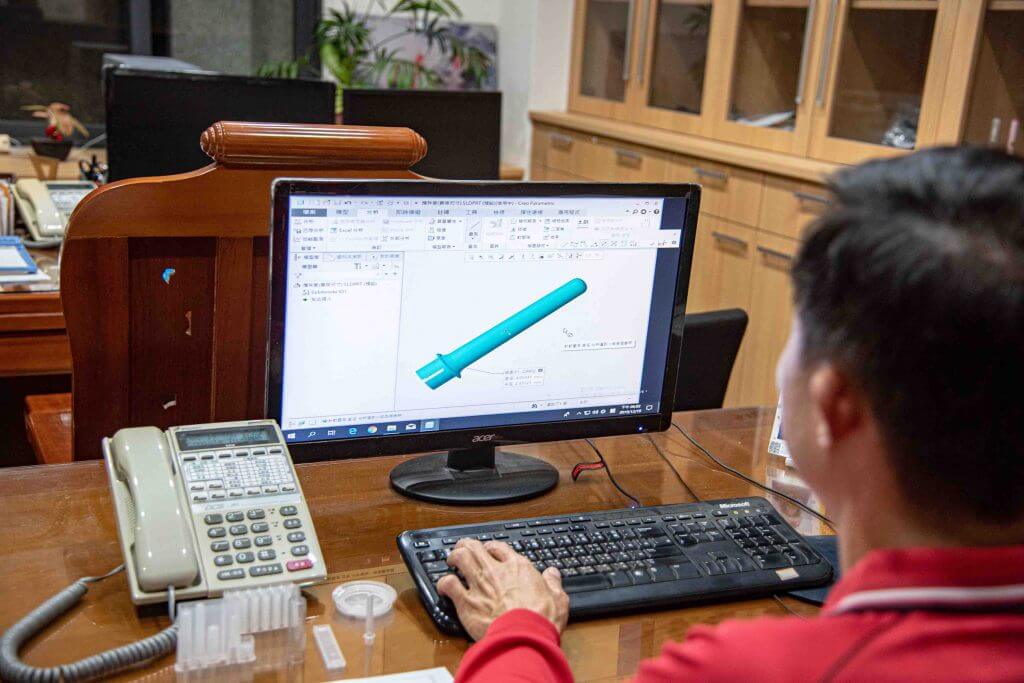
1. Mold design and product-process evaluation
Mold design translates the product requirements into a structure that can be machined and used for injection molding. Product function, material, cavity count, shrinkage, appearance, and assembly requirements can all affect the design. A drawing that looks complete may still require a manufacturing review before the mold is opened.
2. Hot runner or cold runner system
A hot runner system can affect the initial mold cost and may be considered when material waste or cycle time is important. A cold runner may be suitable for other products. The correct choice depends on the product, material, cavity arrangement, and production requirements, so the quotation should state which runner system is included.
3. Ejection components and mold base
Ejection components are selected according to the product structure and mold design. The mold base is the main body of the mold, and a standard or custom mold base can affect the quotation. The supplier should explain the ejection method, mold-base specification, and any custom components included in the price.
4. Cores, inserts, and steel selection
The cores and inserts influence the final appearance and dimensions of the molded part. Their material should be considered together with the plastic material, product requirements, expected production volume, and desired mold life. The most expensive material is not automatically the best choice; the important question is whether it matches the actual application.
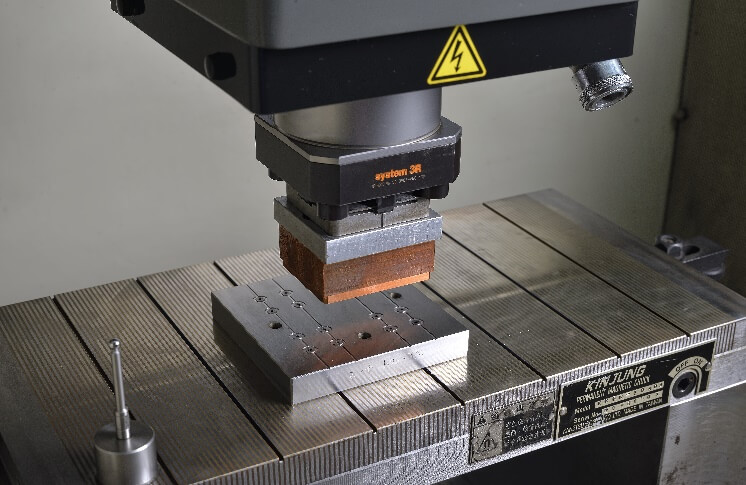
5. CNC, EDM, grinding, and other machining
Machining cost depends on the equipment, material, precision, geometry, and processing time. A quotation should make clear which machining work is included and whether any EDM, wire cutting, grinding, or outsourced process is priced separately.
6. Technical and assembly labor
Designers, machinists, mold technicians, and assembly personnel all contribute to mold development. The finished mold must not only look complete; its components must fit, operate, and support stable injection molding.
7. Surface treatment and cooling
Polishing, texturing, EDM texture, and cooling-channel design can affect appearance, demolding, quality, and production stability. These requirements should be identified before the quotation is finalized rather than added after machining begins.
8. Trial molding, acceptance, and maintenance
Trial molding is where the mold is tested with an injection molding machine and the team reviews appearance, dimensions, function, and production conditions. Confirm how many trial stages are included, how modifications are handled, and who is responsible for later mold maintenance and repair.
How can you compare plastic mold quotations?
A lower total price is not automatically a lower project cost. Compare the scope behind each quotation: design, steel, cavity count, runner system, machining, trial molding, inspection, modifications, delivery, warranty, and maintenance. If these items are not stated clearly, the initial price may not represent the final cost of getting a usable mold into stable production.
Discuss your plastic mold project with WayKai
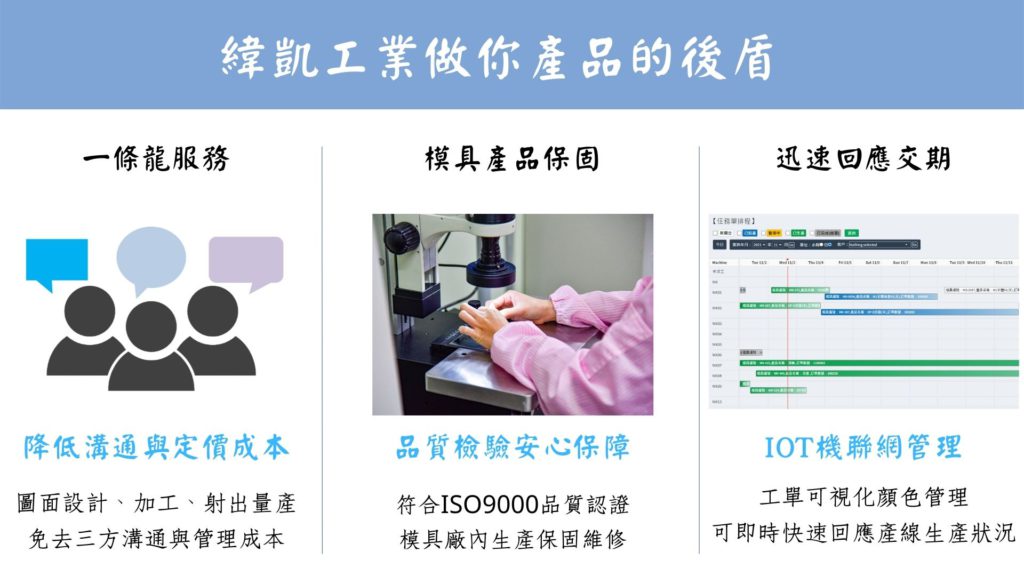
If you have product drawings but no mold yet, or need to evaluate a plastic mold quotation before opening the mold, share the product application, material, function, expected quantity, and drawings with WayKai. WayKai Industrial can discuss an appropriate approach from mold design and manufacturing through trial molding, injection molding, and mass-production handoff.
Phone: 04-7683 502
Address: No. 23, Ln. 426, Minsheng St., Xiushui Township, Changhua County, Taiwan
Email: [email protected]

Related reading:
- How Does the Plastic Mold Development Process Work? 11 Steps from Drawings to Trial Molding
- How to Choose a Plastic Injection Molding Supplier
- Contact WayKai Industrial
Discuss your project with WayKai
Have product drawings but no mold yet? Send your project inquiry to WayKai and let us discuss the appropriate mold development and injection molding approach.